

Tel:+86-0572-2926332 / 2926337

E-mail:[email protected]
 POŽIADAJTE O CENOVÚ PONUKU

 sk
sk  简体中文
简体中文Keramický odplyňovací rotor z nitridu kremíka: Upgrade pre zlievarne hliníka
2026.09.08
V taviarni, ktorá pracuje pri 720 °C, rotor na odplyňovanie grafitu zvyčajne vydrží dva až šesť týždňov, kým sa hriadeľ zahrnie alebo dôjde k erózii hlavy. Rotor je spotrebný materiál, ale skutočná cena nie je len výmenný diel. Je to vodíková pórovitosť, ktorá sa prejavuje pri konečnom odlievaní, neplánované zastavenie údržby a nekonzistentné rozptýlenie plynu núti pec bežať dlhšie cykly. Keramický odplyňovací rotor z nitridu kremíka mení túto aritmetiku.
Pre taviarne, ktoré považujú odstraňovanie vodíka za riadený krok, a nie za rutinnú prácu, nitrid kremíka prináša merateľné zisky z hľadiska prevádzkyschopnosti, čistoty taveniny a nákladov na tonu. Rozhodnutie nie je o kúpe drahšieho spotrebného materiálu. Ide o predefinovanie toho, čo dokáže odplyňovacia stanica.
Prečo sú grafitové rotory slabým článkom
Grafit bol predvoleným materiálom pre odplyňovacie rotory, pretože sa ľahko opracúva, je tepelne stabilný a nerozpúšťa sa v roztavenom hliníku. Grafit však zmáča hliník. Postupom času zachytáva vrstvu oxidu hlinitého. Táto vrstva rastie a rotor sa stáva zdrojom nekovových inklúzií. Hlava sa nerovnomerne eroduje a priemer hriadeľa sa zmenšuje. Výsledkom je rotor, ktorý stráca rovnováhu, vibruje a nakoniec musí byť vytiahnutý z taveniny.
Grafit tiež pomaly reaguje s kyslíkom v atmosfére pece. Nad 700°C povrch grafitu stabilne oxiduje. Reakcia spotrebuje materiál rotora. To je dôvod, prečo väčšina tavární uchováva dva alebo tri grafitové rotory na pripravenej polici a akceptuje náklady na výmenu ako súčasť prevádzkového rozpočtu.
Dôsledky sa prejavia v údajoch o kvalite taveniny. Keď je grafitový rotor v polovici svojej životnosti, plynové kanály v hlave môžu byť čiastočne zablokované. Prúd plynu sa stáva menej predvídateľným a tavenina často zadržiava viac rozpusteného vodíka. Pri vysokovýkonnom odlievaní hliníka sa dvojtýždňová životnosť rotora premieta do desiatok výmen rotora za rok, pričom každá z nich predstavuje príležitosť na chybu.
Nitrid kremíka: materiálová matematika
Nitrid kremíka je hustá, vysoko pevná keramika s nízkou tepelnou rozťažnosťou a vynikajúcou odolnosťou proti tepelným šokom. Nezmáča roztavený hliník, takže hliník sa nemôže hromadiť na povrchu rotora. Rotor zostáva geometricky konzistentný oveľa dlhšie.
Materiál SG28 SGJL je beztlakovo spekaný nitrid kremíka s pevnosťou v ohybe nad 800 MPa a koeficientom tepelnej rozťažnosti okolo 3,2 ppm/K. To znamená, že rotor možno vložiť do pece bez dlhého predhrievania. V tavárňach, ktoré prevádzkujú viacero zliatin za deň, je to merateľná úspora času. Pretože nitrid kremíka má nízku rozpustnosť v hliníku, neuvoľňuje kremík do taveniny, čo je známy problém pri niektorých iných keramikách.
| Výkonový ovládač | Grafitový rotor | Rotor z nitridu kremíka SG28 |
|---|---|---|
| Typická životnosť | 2–6 týždňov | 6–24 mesiacov, v závislosti od typu plynu a zloženia taveniny |
| Konzistencia odstraňovania vodíka | Klesá ako hlava eroduje | Stabilný po celú dobu životnosti rotora |
| Nezmáčajúci roztavený hliník | Slabé, vytvára vrstvu oxidu | Výborná, bez priľnavosti hliníka |
| Odolnosť voči tepelným šokom | Stredná, pri rýchlom ponorení môže prasknúť | Vysoká, toleruje priame vkladanie |
| Erózia hlavy rotora | Nerovnomerné, spôsobuje vibrácie | Minimálne, definované užívateľskou údržbou |
| Riziko kontaminácie | Pridáva uhlíkové a oxidové inklúzie | Žiadna kontaminácia taveniny |
Najprijateľnejším rozdielom je životnosť. Šesťnásobné zvýšenie životnosti rotora neznižuje len obstarávacie náklady; odstraňuje aj prevádzkové prerušenia, ktoré vytvárajú riziko kvality. Ak chcete vidieť mechanizmus podrobnejšie, prečítajte si ako odplyňovacie rotory z nitridu kremíka zlepšujú výkon odlievania hliníka . Tento článok prechádza fyzikálnymi princípmi tvorby plynových bublín.
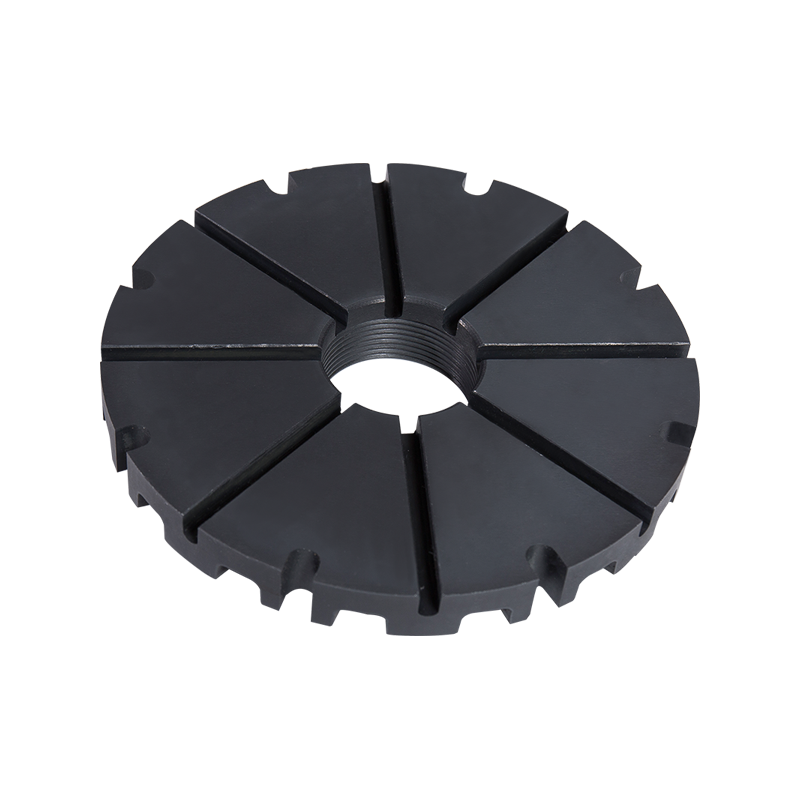
Ako vybrať odplyňovací rotor z nitridu kremíka
Výber správneho rotora závisí od hĺbky taveniny, geometrie pece a použitého odplyňovacieho plynu.
Priemer hriadeľa a hrdla
Štandardné hriadele rotora majú priemer od 40 do 100 mm. Hrubší hriadeľ zvláda vyššie otáčky, no zároveň zaberá viac miesta v peci. Pre 1-tonovú pec s kruhovou odplyňovacou stanicou je typická šachta 50 až 60 mm s hlavou 200 mm. Pre 5-tonovú pec je bežná šachta 75 až 100 mm s hlavou 300 až 350 mm.
Účinnosť hlavy rotora a rozptylu plynu
Rozloženie bublín určuje konštrukcia hlavy rotora. Viacčepelová hlava so šikmými výstupmi plynu vytvára menšie bubliny, ktoré stúpajú pomalšie, čím sa predlžuje čas prenosu plynu. Rotor s vysokým disperzným pomerom poskytuje lepšie odstraňovanie vodíka pri nižšej spotrebe argónu alebo dusíka. Toto je dôležité pri porovnávaní dodávateľov, pretože prietok plynu je priamym prevádzkovým nákladom.
Teplota pece a druh plynu
Rotory z nitridu kremíka znášajú teploty až do 1200°C, takže materiál nie je limitujúcim faktorom. Najbežnejším plynom je argón, hoci v niektorých zliatinách možno použiť dusík. Hriadeľ rotora musí byť dimenzovaný na objem prietoku a tlak. Nesúlad tu umožňuje únik plynu cez armatúry alebo cez hlavu rotora pri vysokom tlaku, čo vytvára turbulencie, ktoré znovu zavádzajú vodík.
Štyri veci, ktoré je potrebné overiť pred zakúpením rotora z nitridu kremíka:
- Skontrolujte dĺžku hlavy rotora voči hĺbke pece, aby sa dala spustiť pod povrch taveniny.
- Skontrolujte, či sa priemer hriadeľa zhoduje s existujúcou odplyňovacou stanicou alebo je vybavený novým adaptérom.
- Požiadajte o údaje o hustote materiálu a pevnosti v ohybe. Keramika s plnou hustotou by nemala mať otvorené póry.
- Vyžiadajte si od dodávateľa zdokumentovanú metódu testovania tepelným šokom alebo vzorku na skúšobnú prevádzku.
Rotorové riešenia SGJL na odlievanie hliníka a tlakové liatie
zásoby SGJL odplyňovacie rotory z nitridu kremíka ako súčasť svojho keramického materiálového systému SG28 z nitridu kremíka. Odplyňovací rotor SG28 je vyrobený ako jednodielne keramické telo bez lepených alebo skrutkových spojov medzi hriadeľom a hlavou. Tým sa odstráni slabé miesto, ktoré spôsobuje zlyhanie mnohých rotorov pri prechode z hlavy na hriadeľ.
Náš rotor SG28 je dostupný v štandardných konfiguráciách a je možné ho objednať s vlastnou dĺžkou hriadeľa, aby zodpovedala hĺbke pece. Súčasne poskytujeme aj keramický odplyňovací rotor OS-11 O'Sialon pre aplikácie, kde je výhodný odlišný profil opotrebovania. Obe stránky produktu obsahujú možnosti rozmerov a poznámky k výkonu.
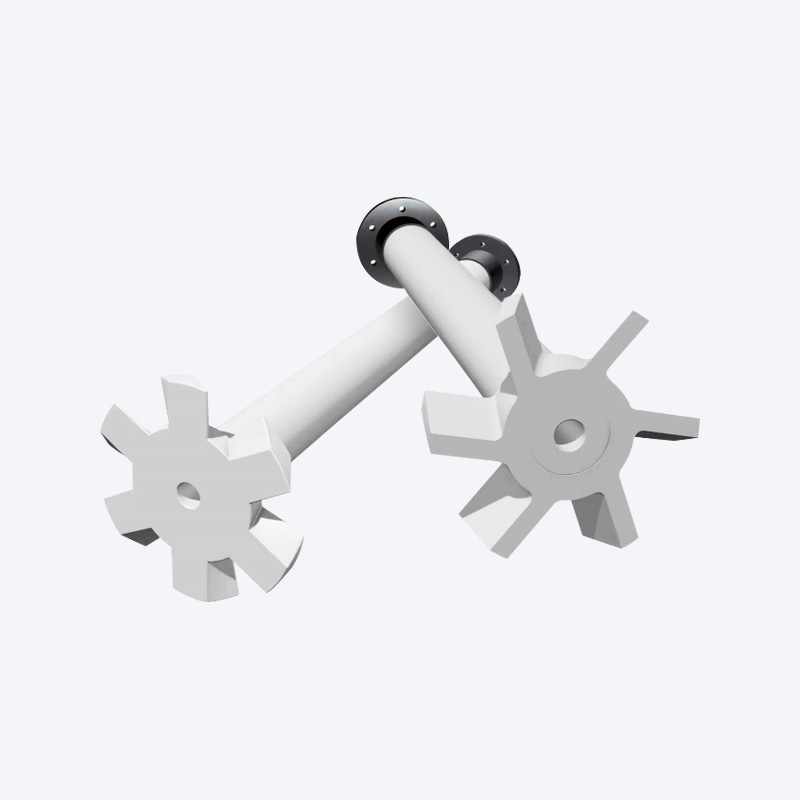
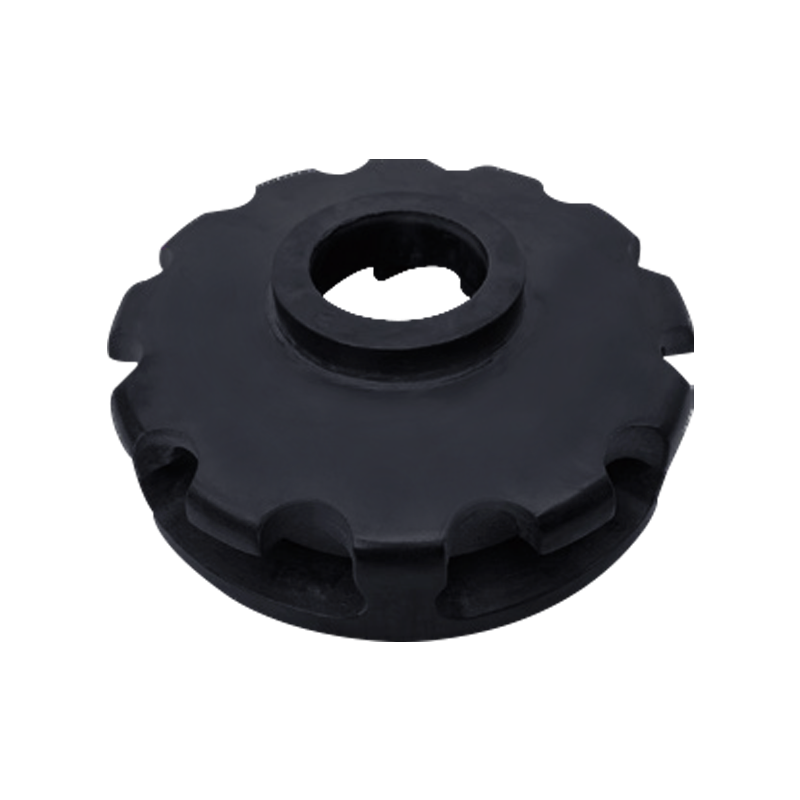 Keramický odplyňovací rotor SG-28 z nitridu kremíka na vysokorýchlostné odplyňovanie hliníka Rotor SG-28 využíva nitrid kremíka, aby sa zabránilo oxidácii a kontaminácii hliníka, podporuje rýchlosť až 600 otáčok za minútu s presnou sústrednosťou. Jeho spoje z nehrdzavejúcej ocele zaisťujú stabilný výkon, vďaka čomu je spoľahlivou voľbou pre modernizáciu pece. Zobraziť produkt →
 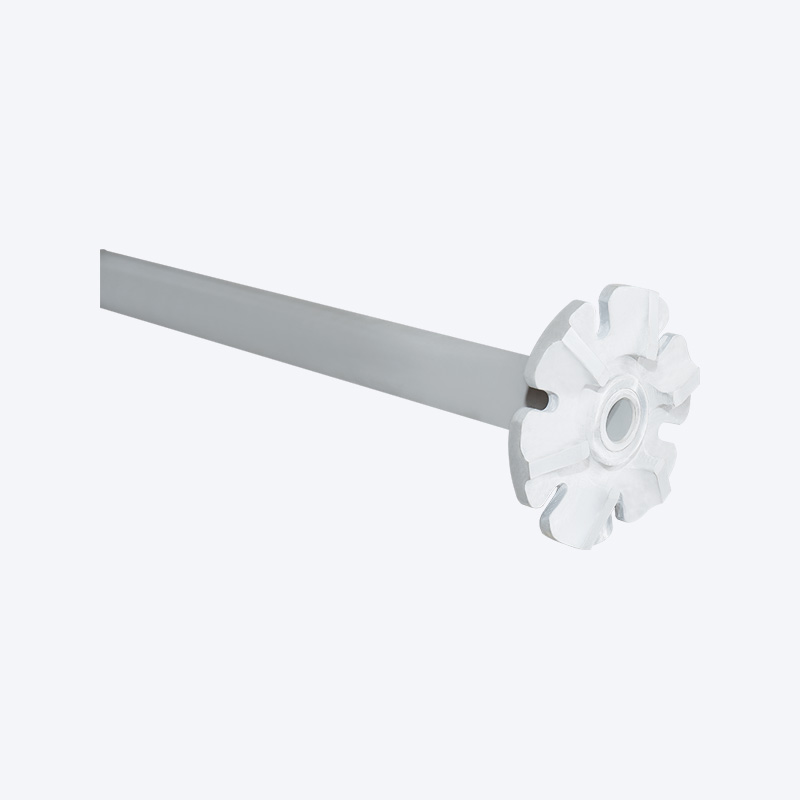 OS-11 O'Sialon keramický odplyňovací rotor pre nezmáčavé spracovanie hliníka Rotor OS-11 O'Sialon ponúka nezmáčavé vlastnosti a vysokú pevnosť pre stabilnú rotáciu pri vysokých rýchlostiach, pričom vytvára jemné bublinky pre efektívne odplynenie. Vyhovuje aplikáciám, kde je výhodný iný profil opotrebovania. Zobraziť produkt →
 Tieto dve možnosti pokrývajú hlavné prípady použitia pri odlievaní hliníka a tlakovom liatí. Ak chcete získať širší prehľad o tom, kde sa tieto komponenty zmestia do taviacej dielne, pozrite si stránku aplikácie odlievania hliníka a tlakového liatia . Komponenty ako stúpacie rúrky a ochranné rúrky ohrievača sú často špecifikované v rovnakej objednávke upgradu pece.
Prechod bez riskantnej skúšky
Najspoľahlivejším spôsobom hodnotenia rotora na odplyňovanie nitridu kremíka je spustenie kontrolovaného porovnávania v jednej peci. Vyberte pec, ktorá je reprezentatívna pre proces tavenia závodu. Pred výmenou odmerajte obsah vodíka a hustotu odliatkov, potom nechajte rotor z nitridu kremíka prebehnúť rovnakým postupom. Sledujte čas otáčania rotora, prietok plynu a počet zmien rotora počas referenčného obdobia.
Hľadajte tri výsledky: obsah vodíka pod cieľovou hodnotou, konzistentný vzor plynových bublín a žiadne nahromadenie hliníka na rotore po desiatich zahriatiach. Ak rotor stále vyzerá ako nový, výhoda životnosti je jasná. Nákupná cena rotora z nitridu kremíka je podstatne vyššia ako u grafitu, ale náklady na tonu liateho kovu sú zvyčajne nižšie z dôvodu zníženej údržby a menšieho počtu kvalitných nepodarkov.
Pre spoločnosť, ktorá vyváža do viac ako 30 krajín a obsluhuje procesy odlievania hliníka a tlakového liatia, SGJL aplikuje rovnakú disciplínu materiálovej vedy na každý rotor, ktorý opúšťa továreň. Prepínač nie je špekulatívny upgrade. Je to procesná zmena, ktorá udržuje odplyňovaciu stanicu v chode, udržuje taveninu čistejšiu a udržiava odliatky v rámci špecifikácie pórovitosti.
Horúce produkty

Kontaktujte nás a získajte cenové ponuky!
Dajte nám vedieť, čo chcete, a my sa s vami čo najskôr spojíme!

Budeme pokračovať vo vývoji a výrobe pokročilejších keramických materiálov pre priemysel spracovania hliníka.
Naskenujte mobilný QR kód
Kontaktovať
 +86-18501518842 / +86-13587222672
 +86-0572-2926332 / 2926337
 +86-0572-2926335
 [email protected] / [email protected] /
  Budova č. 11, South Taihu High-tech Intelligent Manufacturing Industrial Park, okres Wuxing, mesto Huzhou, Zhejiang, Čína
Copyright© 2024 Zhejiang Shangguijuli Special Material Technology Co., Ltd. All Rights Reserved. Dodávateľ keramického materiálu


